
Key Takeaways
- Gardening provides gentle exercise that builds strength, flexibility, and balance through natural movements.
- Working with plants and soil reduces stress while stimulating cognitive function and memory.
- Community and family gardening creates meaningful social connections and shared experiences.
- Adaptive techniques make gardening accessible regardless of mobility or living space limitations.
- Senior living communities often provide garden programs and resources to support your interests.
The Connection Between Gardening and Senior Health
You might remember the satisfaction of watching your first tomato ripen or the peaceful feeling of working in the dirt on a sunny afternoon. Gardening offers a unique combination of physical activity, mental stimulation, and emotional well-being that can significantly impact your quality of life as you age.
Gardening provides measurable benefits for physical health, mental clarity, and social connection while adapting to your changing needs and abilities. Whether you’re tending a small herb garden on your windowsill or participating in a community garden program, this rewarding activity can support your overall wellness in multiple ways.
Somerby Franklin recognizes the importance of activities that support both physical and mental wellbeing, while wellness programs often incorporate nature-based activities like gardening.
Physical Health Benefits of Gardening
Low-Impact Exercise That Builds Strength
Digging, planting, and weeding engage your muscles without the high impact of traditional exercise routines. These activities provide gentle resistance training that can help maintain muscle tone and bone density. The varied movements involved in gardening—reaching, squatting, lifting, and stretching—naturally improve your flexibility and range of motion.
Working in different positions throughout your garden also challenges your balance in safe, controlled ways. You’ll find yourself shifting weight, stepping carefully around plants, and maintaining stability while reaching for tools or plants. Gardening provides physical exercise that can build strength and help with weight management, while also improving mental health by reducing stress, anxiety, and depression.
Vitamin D and Fresh Air Exposure
Spending time outdoors exposes you to natural sunlight, which helps your body produce vitamin D for stronger bones and improved immune function. The fresh air circulation supports your respiratory system, especially when compared to spending long periods indoors.
Even 30 minutes of outdoor gardening can provide meaningful exposure to natural elements that support your physical health. The combination of sunlight, fresh air, and gentle movement creates an ideal environment for maintaining your well-being.
Mental Health and Cognitive Advantages
Stress Reduction Through Nature Connection
Working with soil and caring for plants creates natural calming effects that can lower stress hormones and reduce anxiety. The repetitive motions of gardening—watering, pruning, weeding—offer opportunities for mindfulness and meditation without formal structure.
Many people find that time spent nurturing plants provides a sense of purpose and accomplishment. Watching seeds grow into thriving plants gives you tangible results for your efforts and can improve your overall mood. Positive activities like gardening can help shift your perspective about aging in meaningful ways.
Cognitive Stimulation and Memory Support
Garden management requires planning and problem-solving skills as you decide what to plant, when to water, and how to address challenges like pests or weather. These mental exercises help keep your cognitive abilities sharp and engaged.
Remembering plant care schedules, watering needs, and seasonal timing provides natural memory practice. Learning about new plant varieties or gardening techniques also stimulates your brain and encourages lifelong learning. For older adults aged 60–95, home and community gardening activities can improve self-esteem, provide physical exercise, increase social engagement, and promote positive aging attitudes through restoration and nature connection.
Social Connection and Community Building
Shared Gardening Experiences
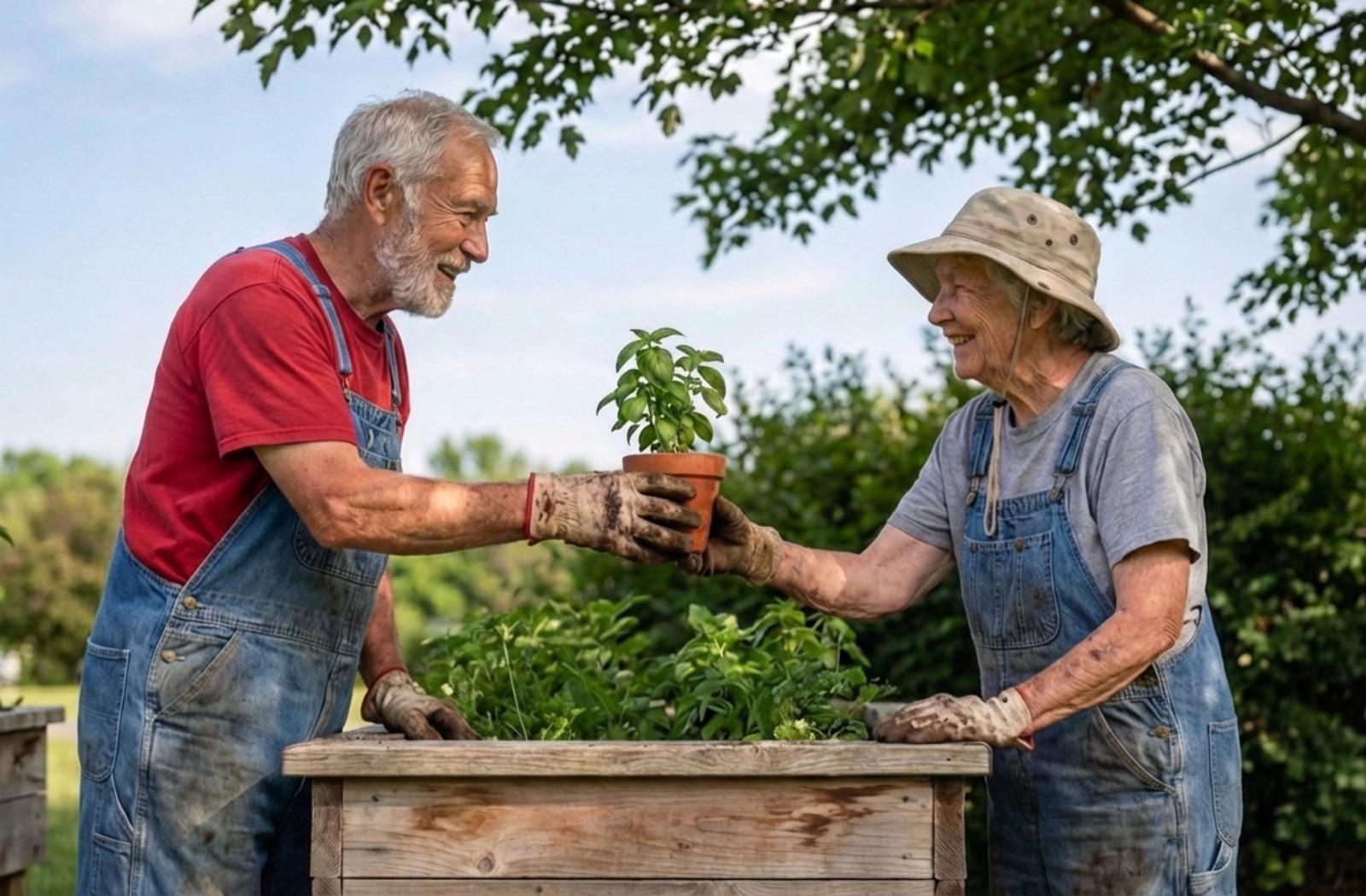
Community gardens create natural opportunities to connect with others who share your interests. You can exchange gardening tips, share tools, and celebrate successful harvests together. These interactions often lead to lasting friendships built around a common passion.
Group activities like seasonal planting days or harvest festivals bring people together for shared experiences. Working alongside others in a garden setting encourages conversation and collaboration in a relaxed, natural environment. Making friends as a senior becomes easier through shared activities like gardening.
Intergenerational Opportunities
Gardening provides wonderful opportunities to connect with grandchildren or younger family members. Teaching them about plants, growing cycles, and garden care creates meaningful shared experiences and lasting memories.
Sharing your garden produce with family and neighbors strengthens community bonds and gives you opportunities to contribute to others’ well-being. These connections help maintain your social network and sense of purpose. Staying socially connected through activities like gardening helps combat loneliness and social isolation that can affect older adults’ health.
How Senior Living Communities Support Your Gardening Interests
Many senior living communities recognize the value of gardening and provide dedicated spaces and programs to support your interests. Independent living communities often feature raised garden beds, greenhouse access, and organized gardening clubs that bring residents together around this shared activity.
Professional landscaping staff can provide guidance and support while you maintain your independence in garden care. Tool storage, assistance, and seasonal planting events help remove barriers while preserving the joy and satisfaction of gardening.
At Somerby Franklin, you’ll find opportunities to pursue your gardening interests within a supportive community environment. Whether you’re interested in independent living with garden access or need assisted living or memory care services, you can explore how gardening might fit into your lifestyle and wellness routine here. Contact us to schedule a tour today.