
Key Takeaways
- Older adults are often targeted online because of trust, unfamiliar technology, and savings.
- Phishing emails, romance scams, and fake tech support are among the most common threats.
- Watch for secrecy about money, unexplained withdrawals, or urgent gift card requests.
- Strong passwords, open conversations, and quick reporting offer real protection.
- Social connection through community living helps reduce isolation and builds shared awareness.
How to Guard the People You Love From Online Fraud
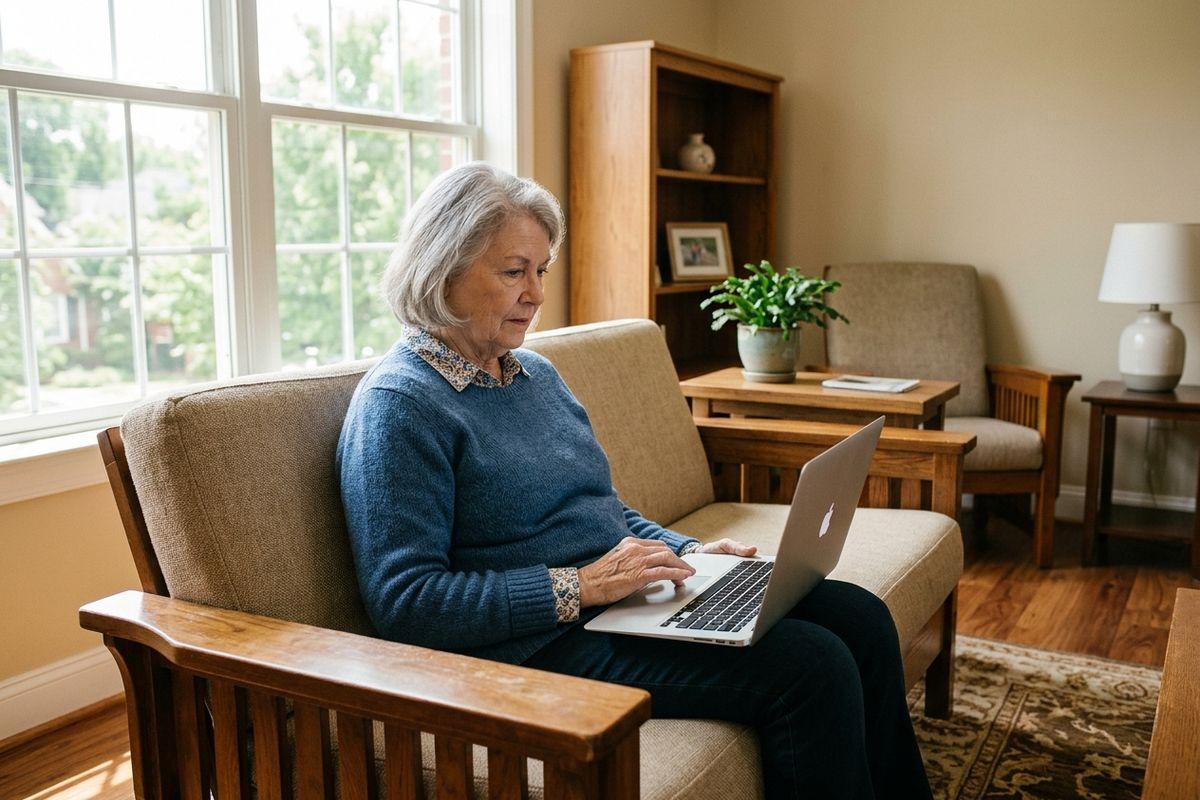
Online banking, shopping, and social media make it easier to stay connected, manage finances, and handle everyday tasks. Senior-friendly technology has also made these activities more accessible, both at home and in senior living communities like ours. Unfortunately, scammers use these same digital tools to trick people into sharing personal information or sending money. If you have an older loved one who spends time online, knowing how these scams work helps you recognize trouble early.
Protecting your loved one from senior scams starts with recognizing common threats, watching for warning signs, and building safer online habits. You can help by reviewing suspicious messages together, setting up account protections, and keeping communication open. These simple steps help your loved one use technology with greater awareness and fewer unnecessary risks.
Why Older Adults Are Targeted by Scammers
Scammers target people of all ages, but older adults sometimes attract attention because of their savings, financial stability, or online habits. Fraudsters also take advantage of situations where someone is unfamiliar with a particular website or doesn’t recognize a newer type of online scam.
Many scams rely on pressure rather than technical tricks. Someone pretending to represent a bank might insist that an account needs immediate attention, while a fake government representative might threaten penalties for an unpaid bill. These tactics are designed to discourage questions and rush people into making decisions.
Common Online Scams Targeting Seniors
Online scams often begin with an ordinary-looking message, advertisement, or phone call. Knowing what these attempts look like helps you recognize suspicious activity when your loved one receives an unexpected request.
Phishing Emails and Text Messages
Phishing scams use fraudulent emails or texts to collect passwords, financial details, and other sensitive information. A message might appear to come from your loved one’s bank and claim there’s a problem with their account. It then directs them to a website that looks legitimate but actually collects their login information.
Romance and Friendship Scams
Romance scammers build relationships through dating websites, social media, and online messaging platforms. They often spend weeks getting to know someone before introducing a financial problem or requesting money. Your loved one might hear about an unexpected medical bill, a travel emergency, or another situation that requires immediate help.
Tech Support and Prize Scams
Tech support scams often begin with a pop-up claiming that a computer has a virus or security problem. The message directs the user to call a number, where someone posing as a technician requests payment or remote access to the device. Prize scams use unexpected winnings to encourage people to share personal information or pay fees before receiving a supposed reward.
Warning Signs of Senior Scams
Some scams develop gradually, so the first warning signs aren’t always obvious. If your loved one has started communicating with someone unfamiliar or mentions an unexpected financial request, ask a few questions about what’s happening.
Watch for:
- Unfamiliar charges or unexpected withdrawals from financial accounts.
- Requests to purchase gift cards or transfer money to someone they’ve never met.
- New online relationships involving frequent requests for financial assistance.
- Pressure to keep conversations or transactions secret from family members.
- Messages threatening immediate consequences unless a payment is made.
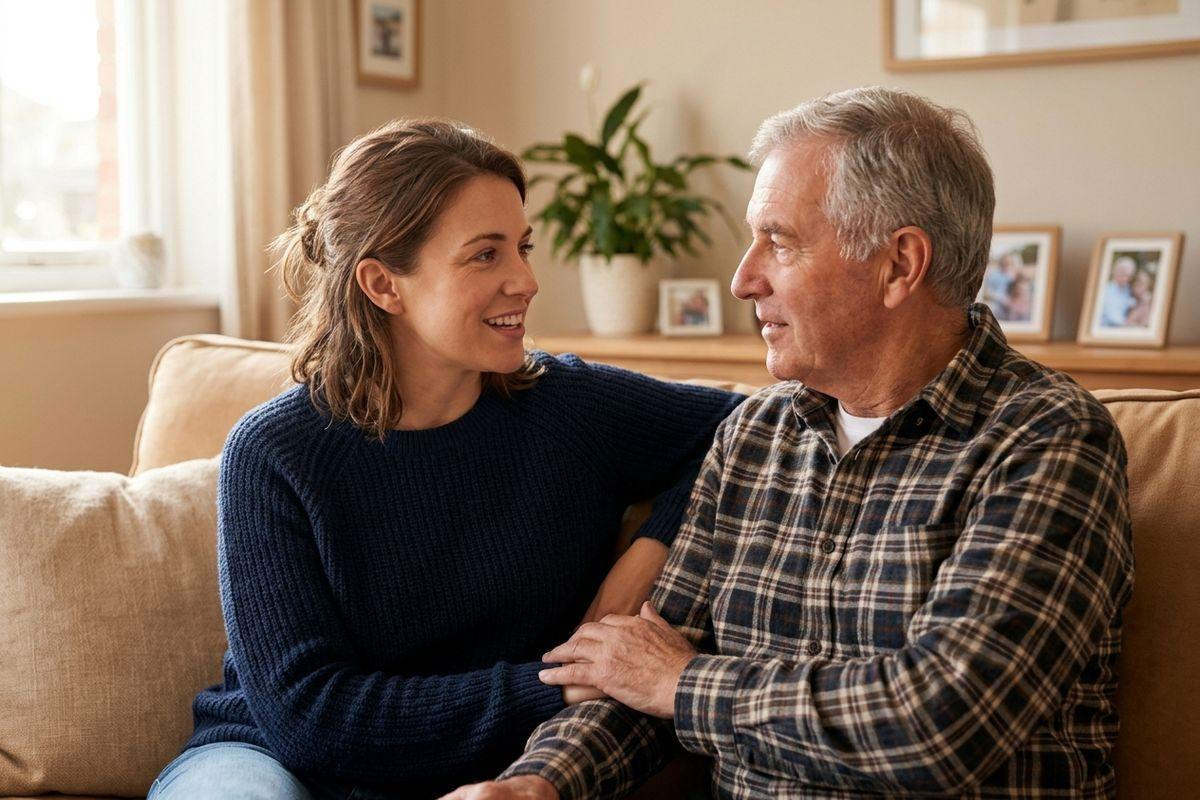
If something concerns you, start with a conversation rather than an accusation. Ask your loved one to explain the situation and offer to look into it together. Scammers rely on secrecy, so keeping communication open gives your loved one someone to turn to when a request seems suspicious.
How to Protect Your Loved Ones From Online Scams
You don’t need to monitor every online interaction to help your loved one stay safe. A few changes to their regular habits can strengthen account security and reduce opportunities for fraud.
It helps to:
- Create unique passwords for important accounts and use a password manager to store them securely.
- Turn on multifactor authentication for banking, email, and other accounts containing sensitive information.
- Avoid unexpected links and attachments, especially when a message claims that immediate action is required.
- Verify unusual requests by calling the person or organization through a number you already trust.
- Install software updates to keep phones, computers, and security features current.
Keep these conversations casual and make them part of everyday life. For example, if you receive a suspicious email yourself, show your loved one what made it unusual and how you checked whether it was legitimate. This gives them a practical example they can recognize later.
Stay Connected and Informed at Somerby Franklin
Protecting your loved one from senior scams starts with the conversations you have together. Talk openly about suspicious messages, review unfamiliar requests, and encourage them to ask questions before sending money or sharing personal information. By staying involved without taking over, you can help your loved one recognize potential scams while respecting their independence.
At Somerby Franklin, we value the relationships that bring people together. Our welcoming senior living community offers opportunities to meet neighbors, share experiences, and build meaningful friendships as part of everyday life. If you’re exploring senior living options for someone you care about, we’d be happy to show you what life in our community looks like. Schedule a tour of Somerby Franklin today to learn more about our community and the connections residents can build here.