Key Takeaways
- Music therapy uses structured activities to support cognitive, physical, and emotional well-being
- Familiar songs can trigger memories and provide mental stimulation through active participation
- Physical benefits include improved coordination, balance, and gentle exercise through movement
- Group music activities create meaningful social connections and community bonds
- Senior living communities often incorporate music programs across independent living, assisted living, and memory care
How Music Therapy Supports Your Wellbeing
You might remember how a certain song can instantly transport you back to your wedding day or a family gathering from decades ago. Music has this unique ability to connect with you on multiple levels, and this power becomes particularly valuable as you age. At Somerby Franklin, the community recognizes how engaging activities like music can enhance your daily experience.
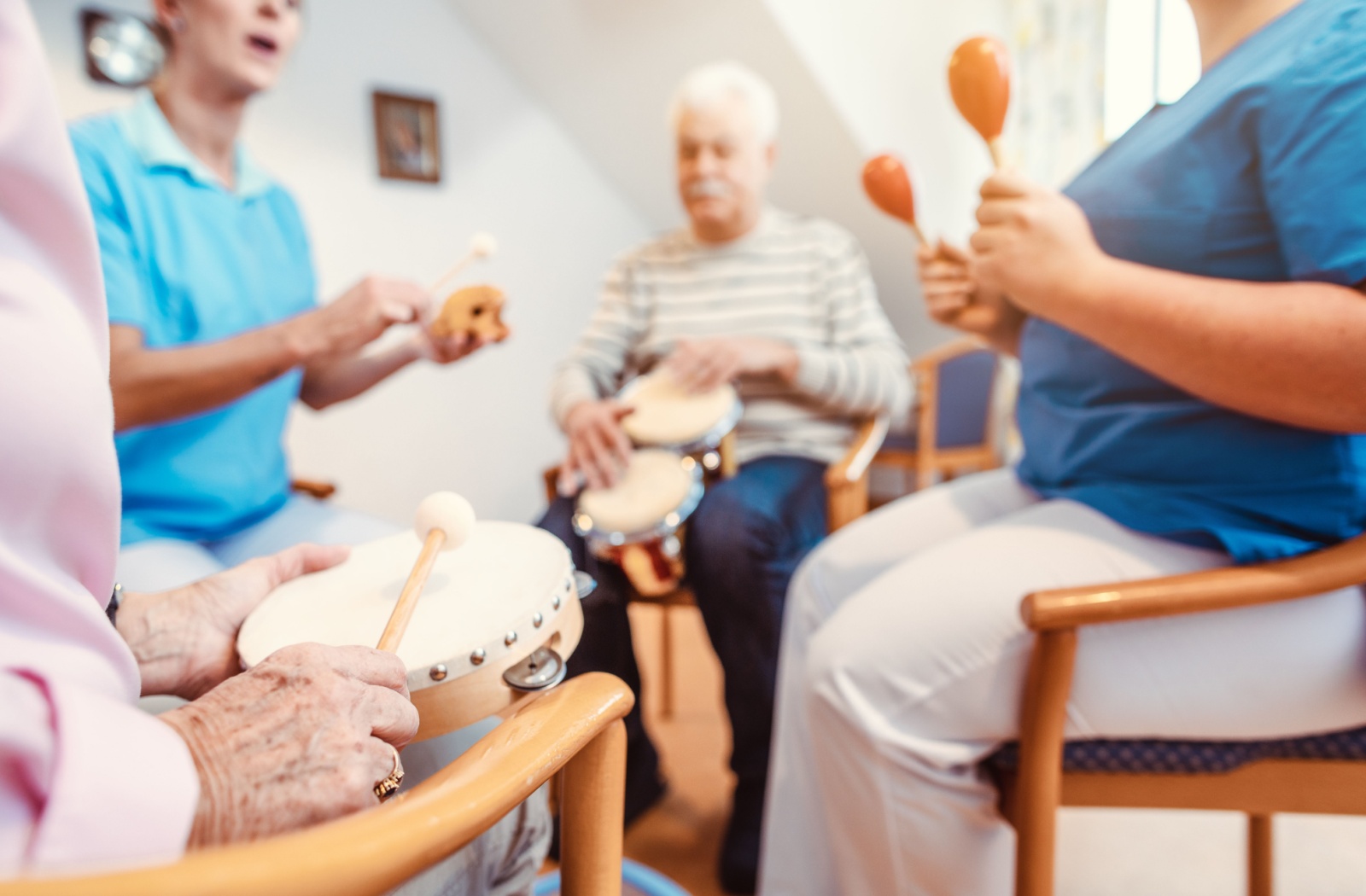
Music therapy involves trained professionals who use structured musical activities to support your physical, emotional, and cognitive health. These sessions can include listening to familiar songs, singing along, playing simple instruments, or gentle rhythmic movement. The activities are tailored to your preferences and abilities, whether you participate in group settings or prefer one-on-one sessions.
Cognitive Health and Memory Support
When you hear a song from your youth, your brain often responds differently than it does to new information. Music from earlier in your life tends to remain accessible even when other memories become harder to reach. This happens because musical memories are stored in multiple areas of your brain, creating stronger pathways for recall.
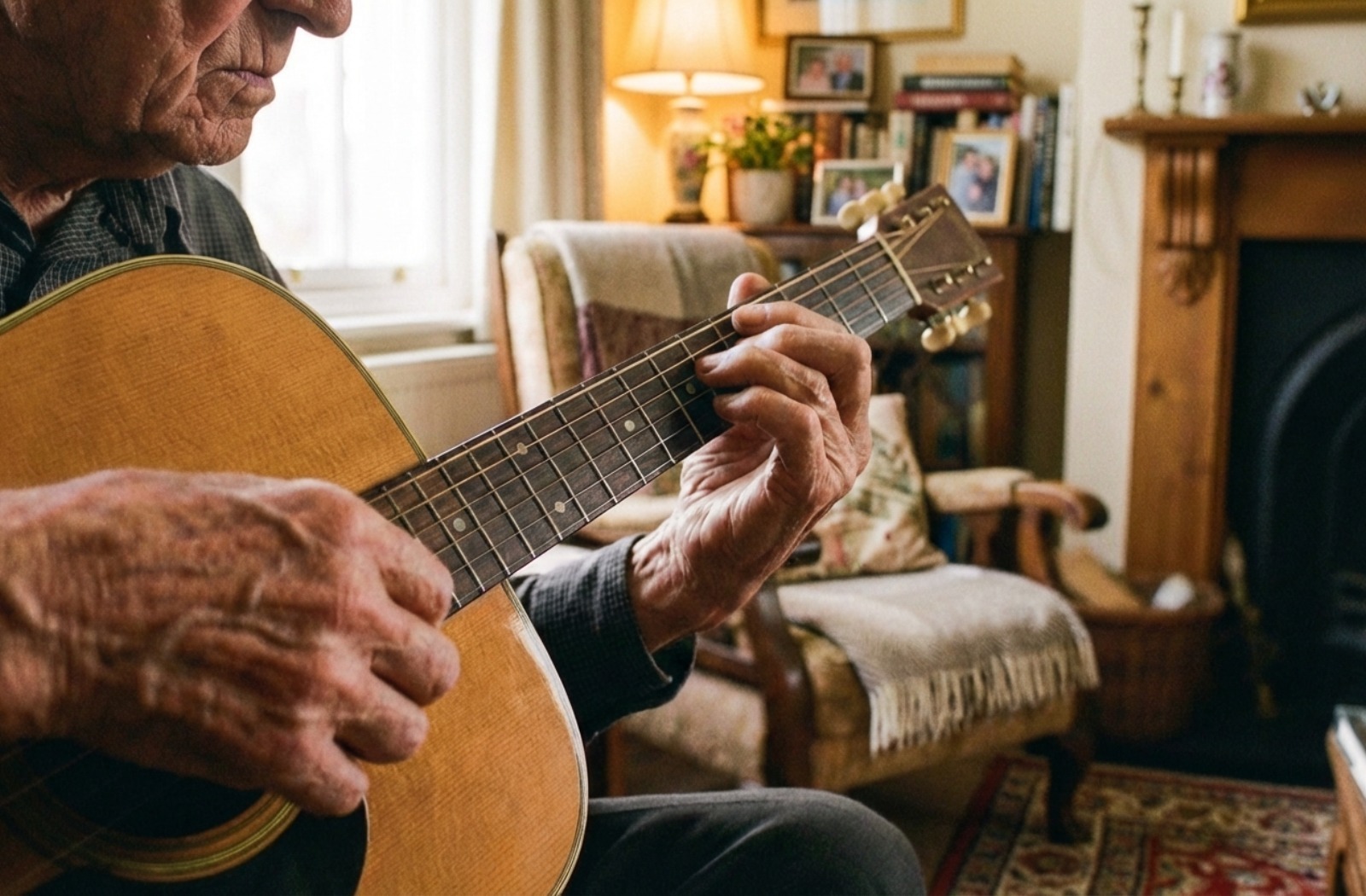
Singing along to familiar tunes exercises these memory pathways and can help trigger other related memories. You might find that hearing “Blue Moon” not only brings back the melody but also memories of dancing with your spouse or attending concerts with friends. Learning new songs or following musical patterns also provides mental stimulation and helps maintain concentration skills.
Physical Benefits You Can Experience
Music naturally makes you want to move, and this response offers several physical advantages. When you tap your feet to a rhythm or sway to a melody, you’re working on coordination and balance in an enjoyable way. These movements feel less like exercise and more like natural responses to the music.
Playing instruments, even simple percussion instruments, helps maintain fine motor skills in your hands and fingers. Dancing or moving to music provides gentle physical activity that can be adapted to your mobility level. Music also promotes relaxation, which can help reduce muscle tension throughout your body.
If you enjoy singing, you’re also supporting your respiratory health through the deep breathing exercises that come naturally with vocal participation.
Emotional and Social Connections Through Music
Music has a remarkable ability to lift your spirits and provide comfort during challenging times. Familiar songs often bring feelings of joy and nostalgia, connecting you with positive memories and emotions. When you participate in creating music, whether through singing or playing instruments, you experience a sense of accomplishment and personal expression.
Group music activities create natural opportunities to connect with others who share similar musical tastes or memories. You might find yourself sharing stories about when you first heard a particular song or discussing favorite performers with fellow participants. These conversations build relationships and create bonds within your community, helping you form meaningful social connections.
Participating in performances, sing-alongs, or music appreciation groups fosters a sense of community spirit. Research shows that music therapy enhances social interaction and has this wonderful ability to transcend barriers and bring people together, regardless of your backgrounds or current circumstances.
Music Programs in Senior Living Communities
Many senior living communities recognize the value of music and incorporate various programs into their activity schedules. In independent living settings, you might find concerts, music appreciation groups, or informal sing-alongs that allow you to enjoy music with neighbors and friends.
Assisted living communities often offer structured music therapy sessions led by trained professionals. These programs can be particularly helpful if you’re dealing with health challenges that benefit from the therapeutic aspects of musical participation.
Memory care programs frequently use music as a therapeutic tool because of its ability to reach people even when other forms of communication become difficult. Professional music therapists work alongside community staff to create meaningful experiences that support your well-being.
Experience Musical Opportunities at Somerby Franklin
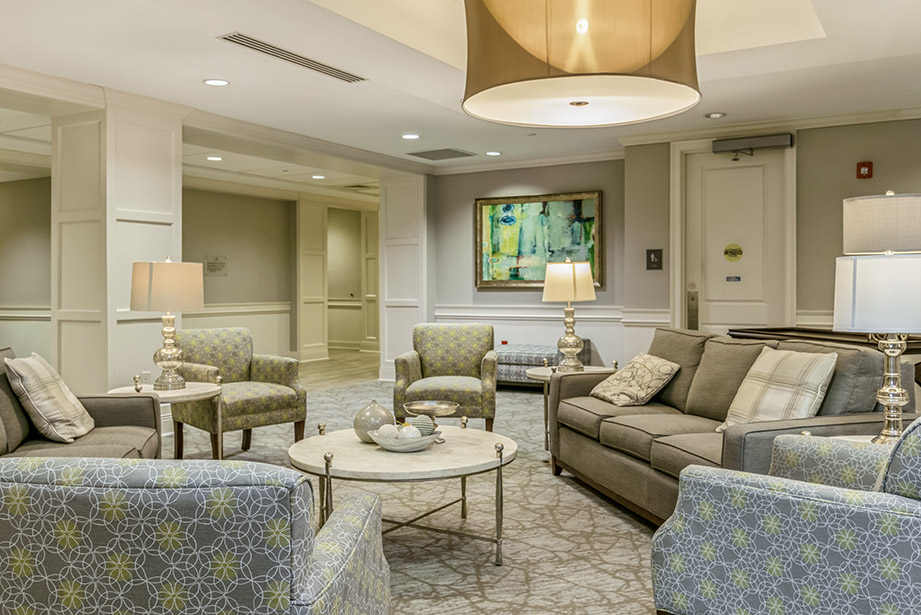
Whether you’re exploring independent living, assisted living, or memory care options, consider how music might enrich your daily experience. At Somerby Franklin, our social areas and activity programming create opportunities for musical engagement alongside neighbors who may share your appreciation for music’s therapeutic benefits.
You can start incorporating music into your life right now by creating playlists of songs that hold special meaning for you, or by exploring local concerts and community music groups. The right musical experience can help you stay connected to your memories, emotions, and the people around you.
And, if you want to learn more about what makes life musical at our community, we would be happy to show you during a tour. Contact us today to schedule your visit and get answers to any questions you may have about senior living.